Document Overview
Synthetic Titanium-Corundum Composite Material, and Method of Making Same
The patent pending disclosure relates to metal matrix composite materials, and specifically to a synthetic titanium-corundum composite material and method of making the same.
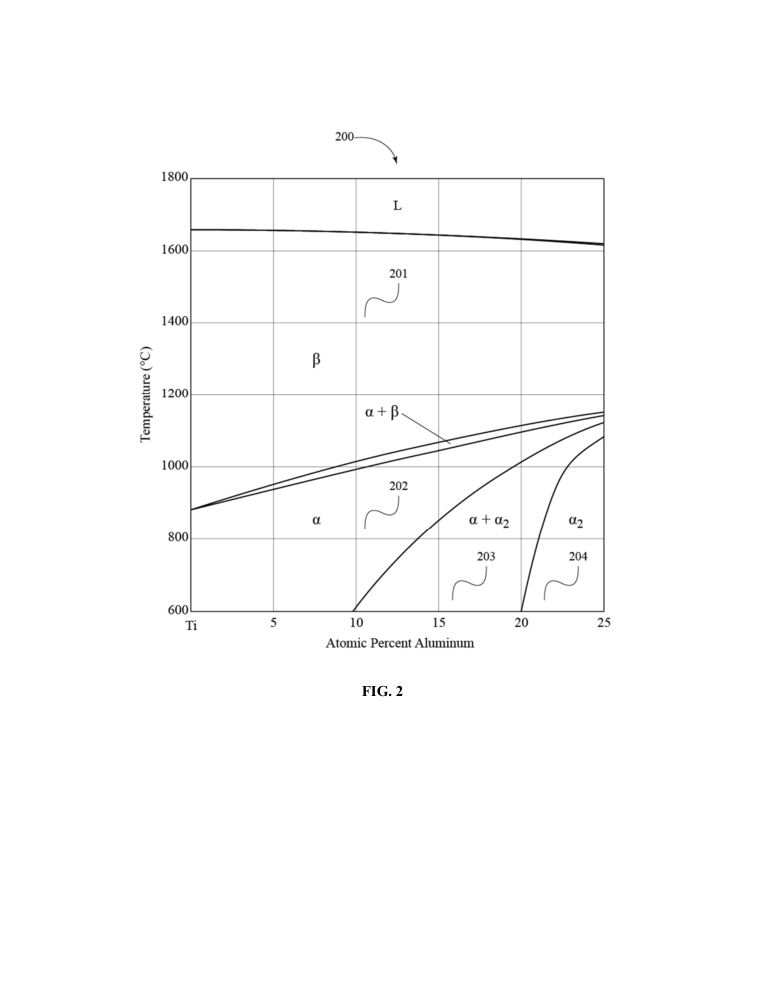
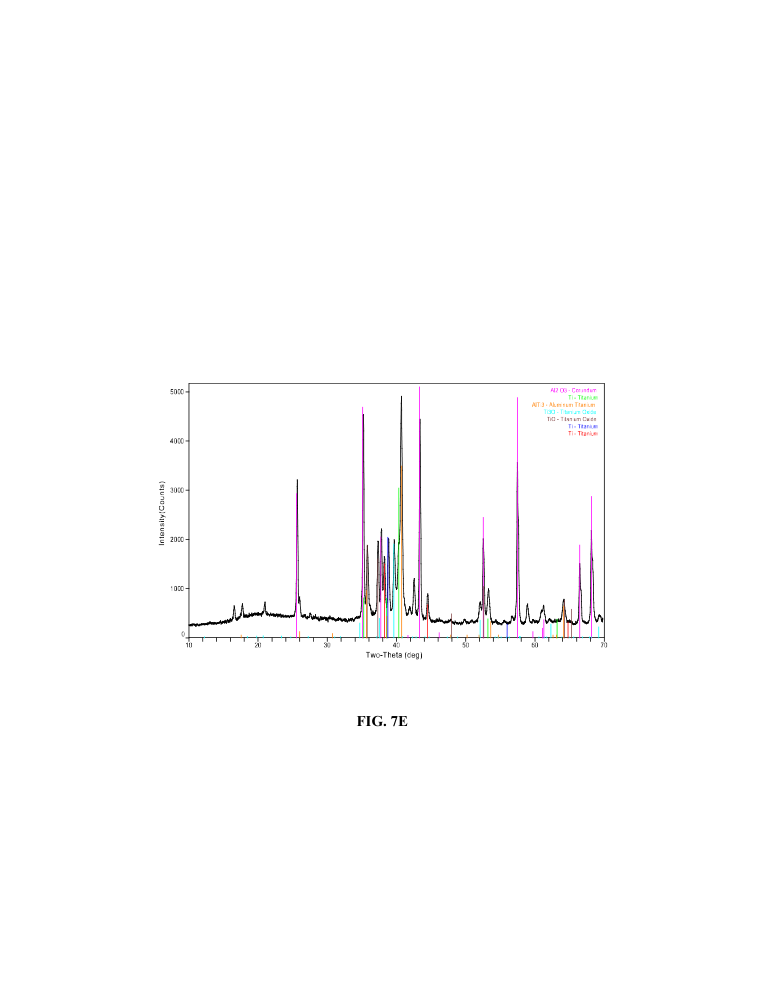
The technology describes titanium alloys coherently bonded with corundum, also known as synthetic titanium-corundum composites. The disclosure describes composite materials with low porosity and a titanium alloy having an atomic aluminum percentage ranging from 0.5% to 24.5%.
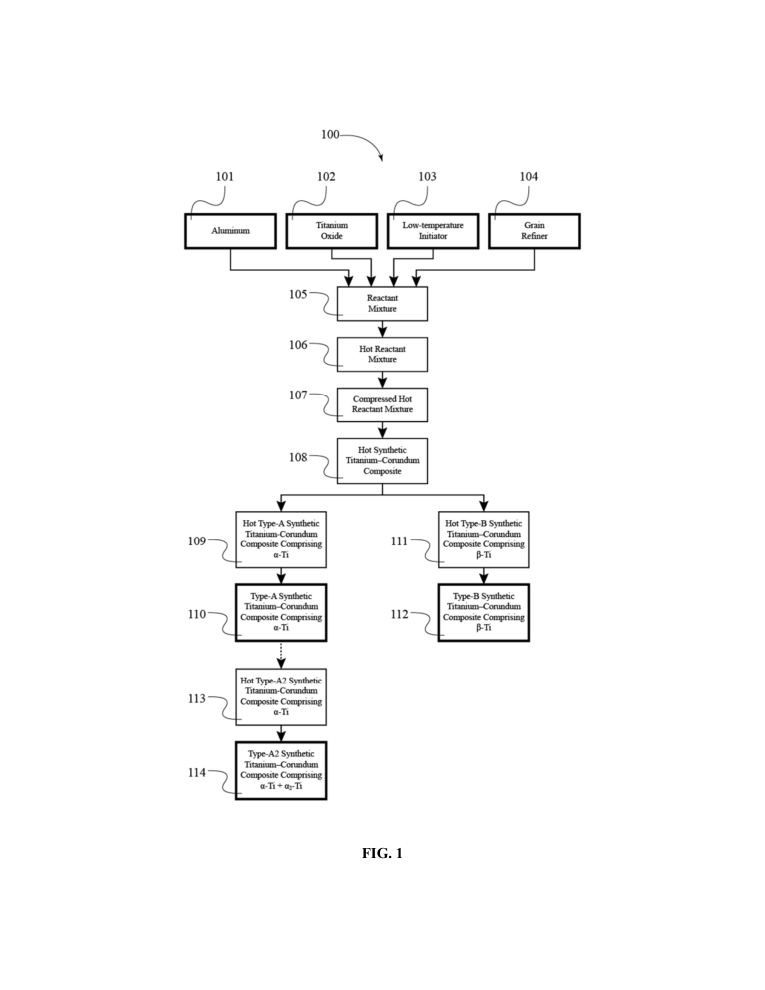
Synthetic titanium-corundum composites manufactured through an exothermic reaction using aluminum, titanium oxide, a low-temperature initiator, and a grain refiner.
Summary of Technology
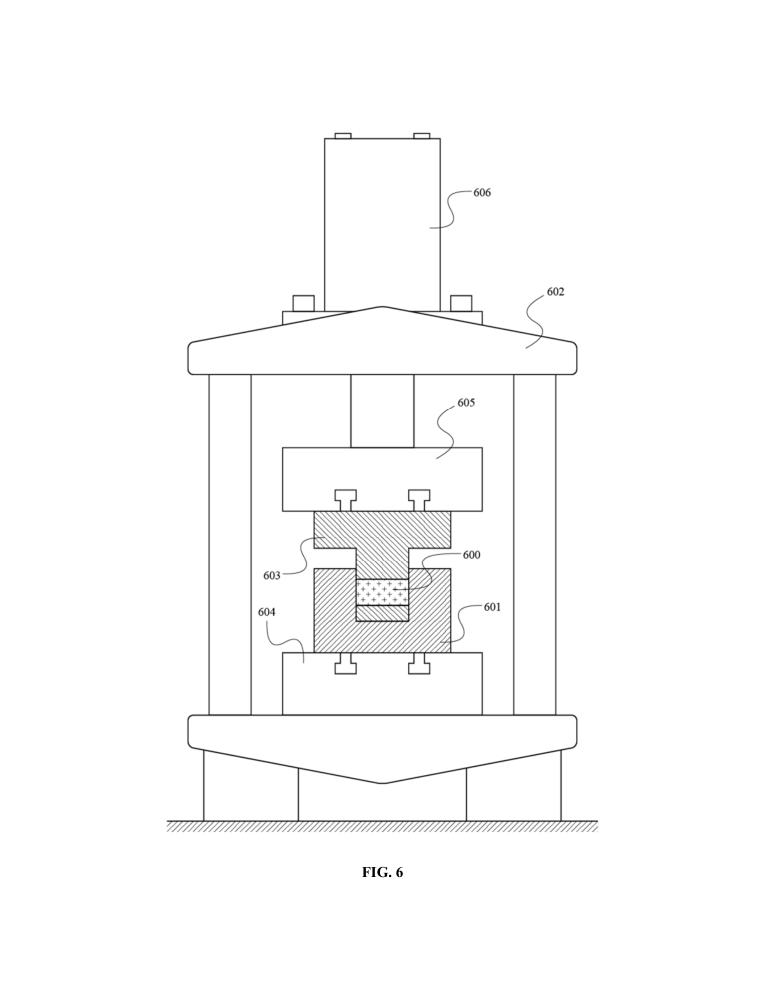
The disclosure describes a method involving blending aluminum, titanium oxide, a low-temperature initiator, and a grain refiner; heating the mixture; compressing the mixture to cause an exothermic reaction; obtaining a synthetic titanium-corundum composite; and cooling the material to room temperature.
The resulting material can include a titanium alloy and a coherently bonded corundum phase. The patent disclosure describes potential use in articles of manufacture, including automotive parts, aeronautical parts, and armory parts.
Selected Technical Points
- Synthetic titanium-corundum composite comprising a titanium alloy and coherently bonded corundum phase.
- Atomic aluminum percentage in the titanium alloy ranging from 0.5% to 24.5%.
- Corundum volume fraction described in the range of 39% to 62%.
- Very low porosity, with examples describing about 1% or less.
- Potential fracture toughness improvement compared with high-purity aluminum oxide used in ballistic armor applications.
Patent Figures